1300 800 200
Make More Informed Decisions with a Sobermate Personal Breathalyser
KNOW BEFORE YOU GO
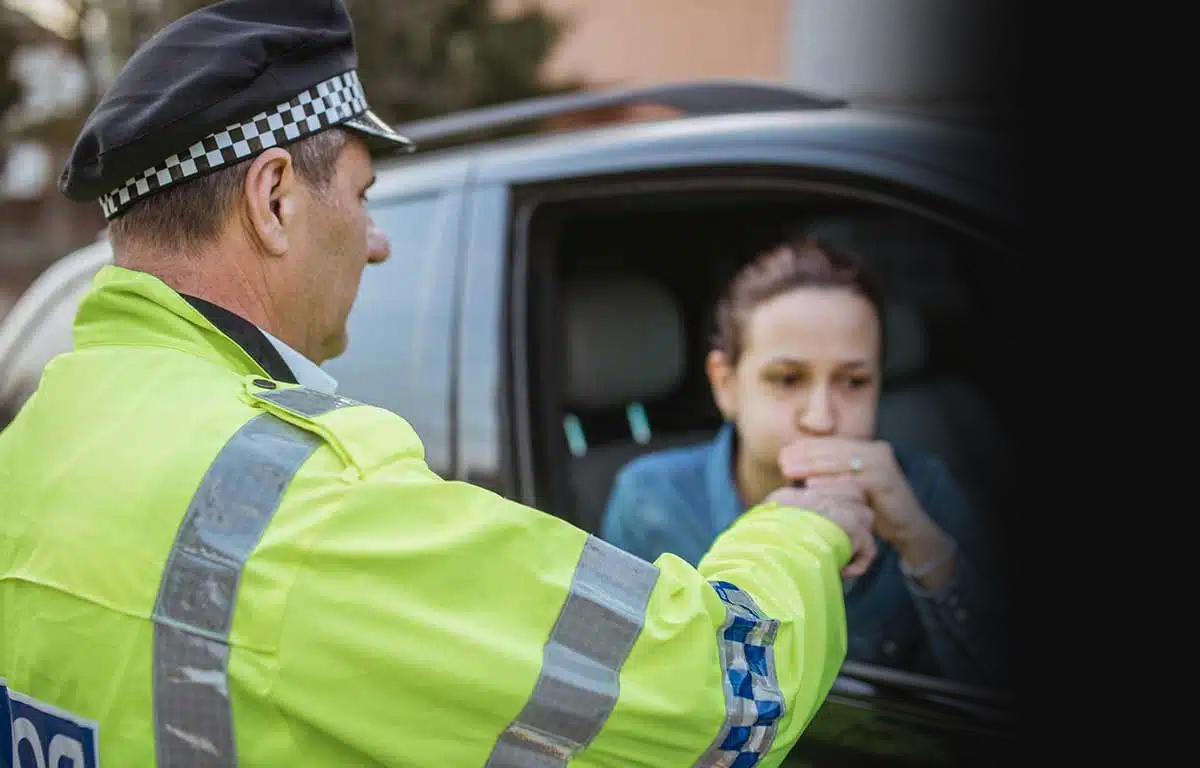
A personal breathalyser from Sobermate is designed to help you accurately understand your blood alcohol concentration before you get behind the wheel, ensuring you always make safer choices.
Also available at
Why Sobermate

Know your BAC
Check your alcohol level before driving.

Make informed decisions
Alcohol affects everyone differently.

Easy to keep with you
Compact personal testing wherever you need it.
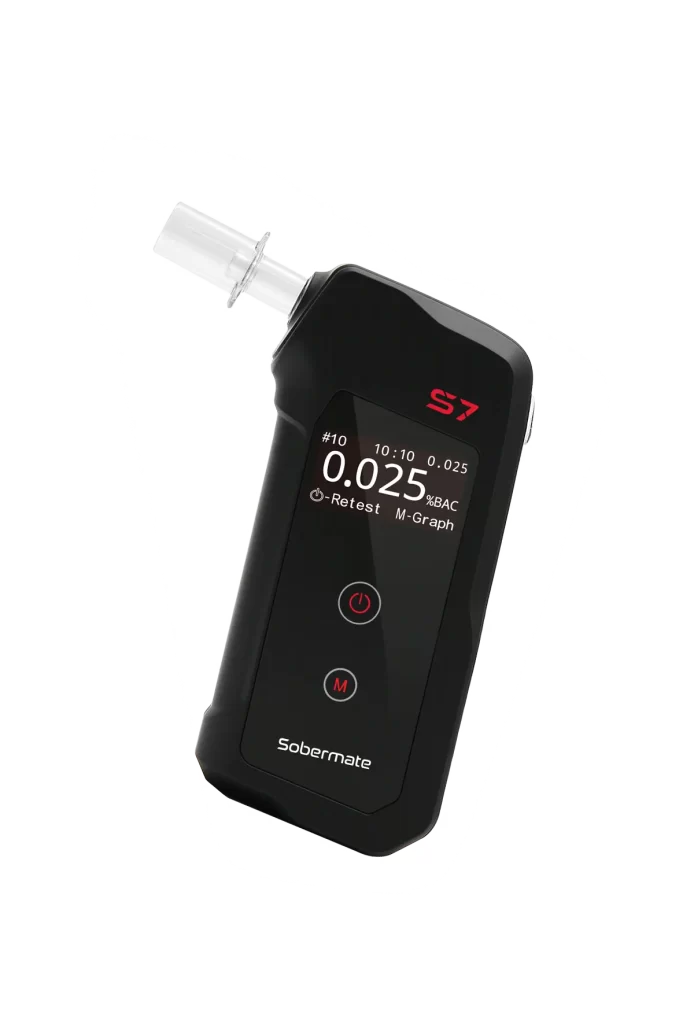
Meet the Sobermate Range
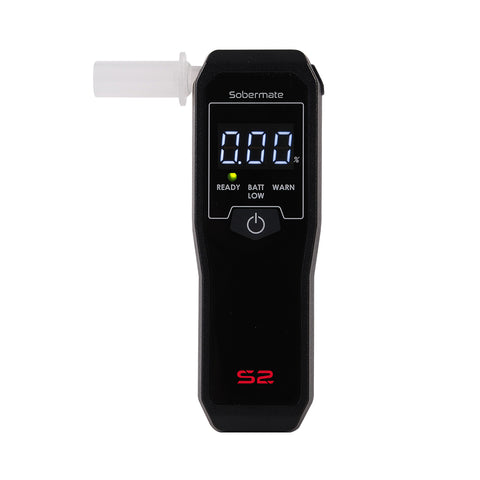
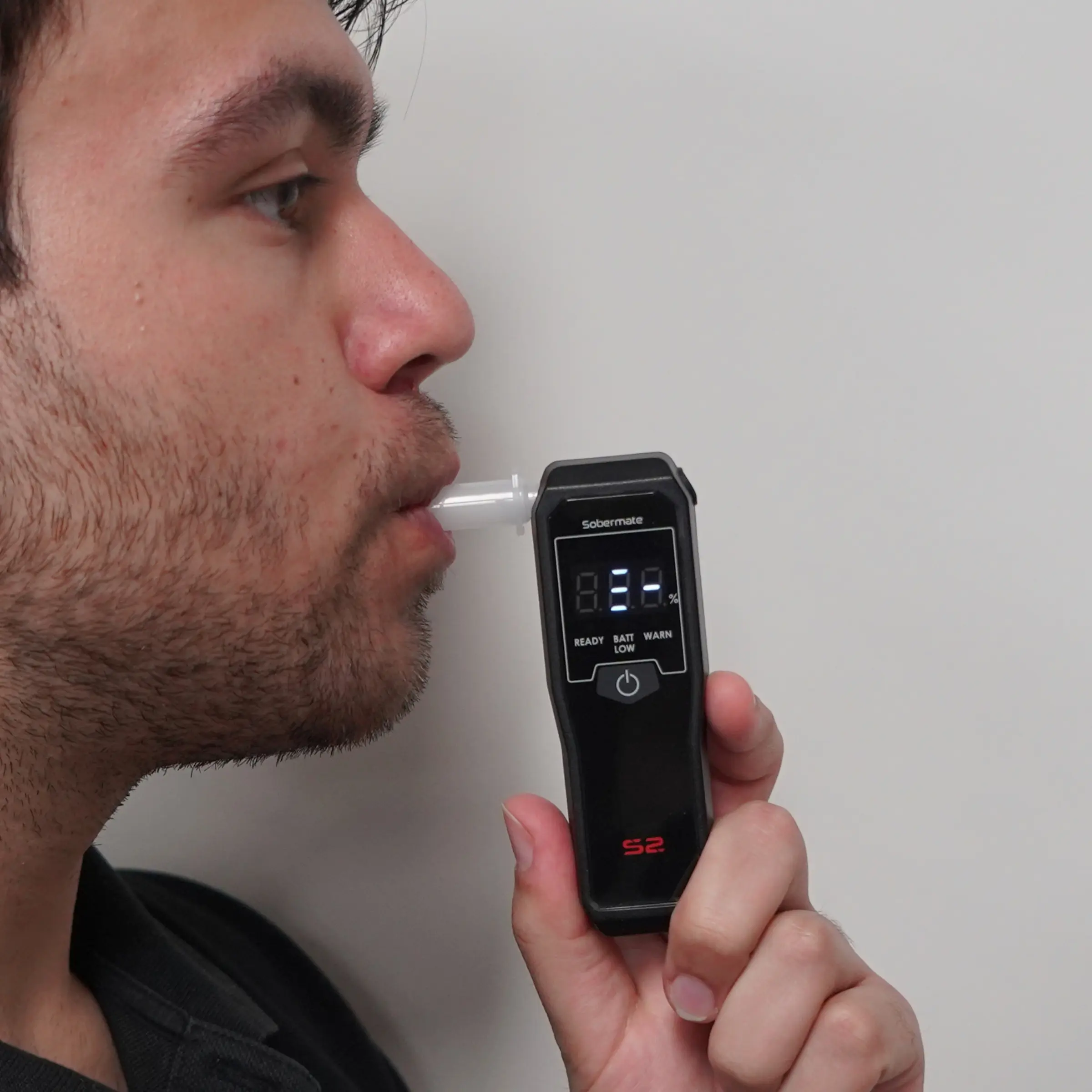
Sobermate S2
Simple, reliable everyday testing.
- ✓ 3-colour LED indicators
- ✓ ±0.01%BAC fuel cell accuracy
- ✓ 500-test calibration reminder
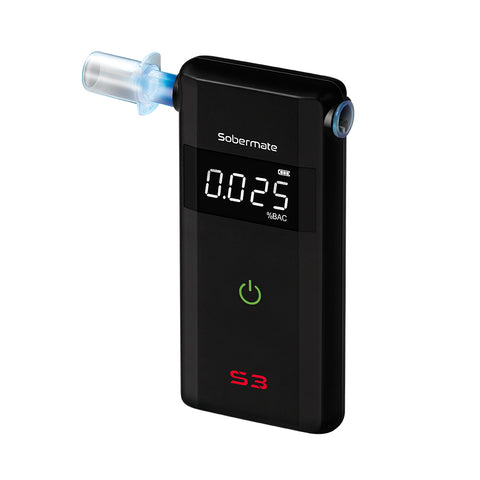
Sobermate S3
Sleek, portable testing for a night out.
- ✓ State-of-the-art fuel cell sensor
- ✓ Lifetime test counter
- ✓ Up to 1,000 tests per battery set
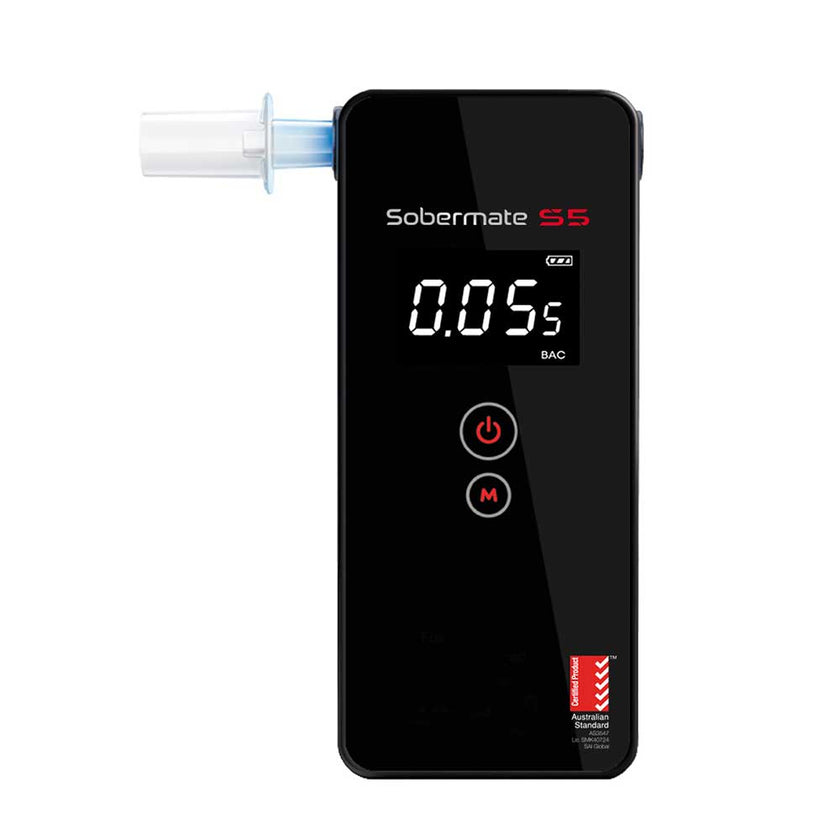
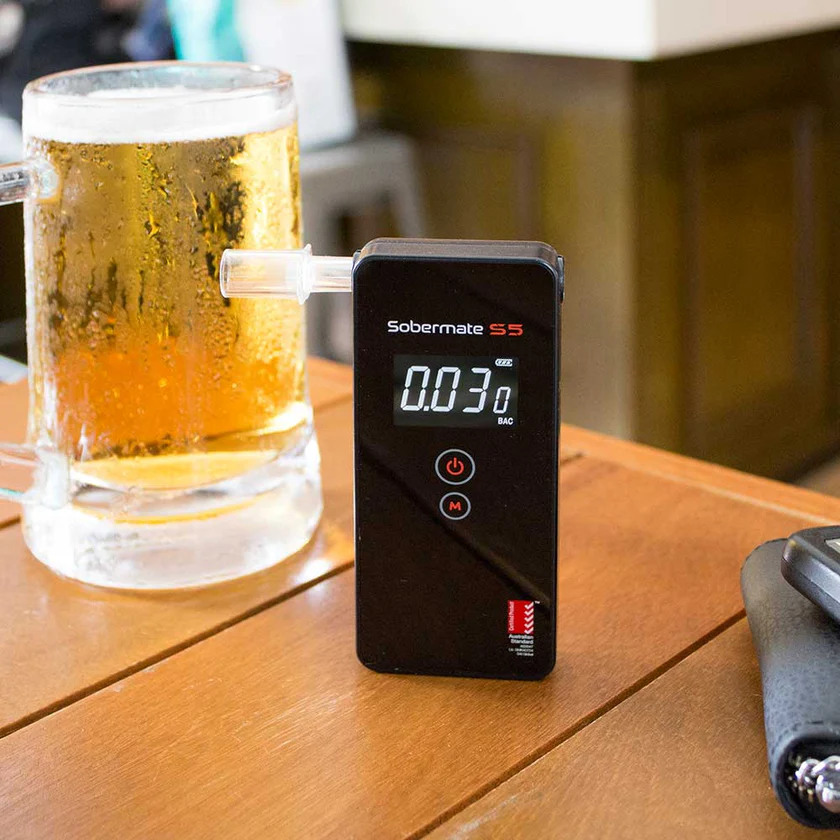
Sobermate S5
Certified accuracy for workplace use.
- ✓ AS3547 certified
- ✓ ±0.005%BAC accuracy
- ✓ 10-result memory
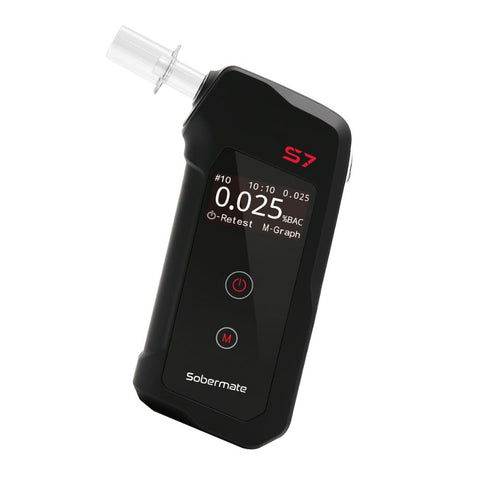
Sobermate S7
Smart testing with app connectivity.
- ✓ Bluetooth 5.0 with free app
- ✓ 10,000-test memory
- ✓ Platinum fuel cell sensor
Find Your Sobermate
How often will you use it?
How It Works
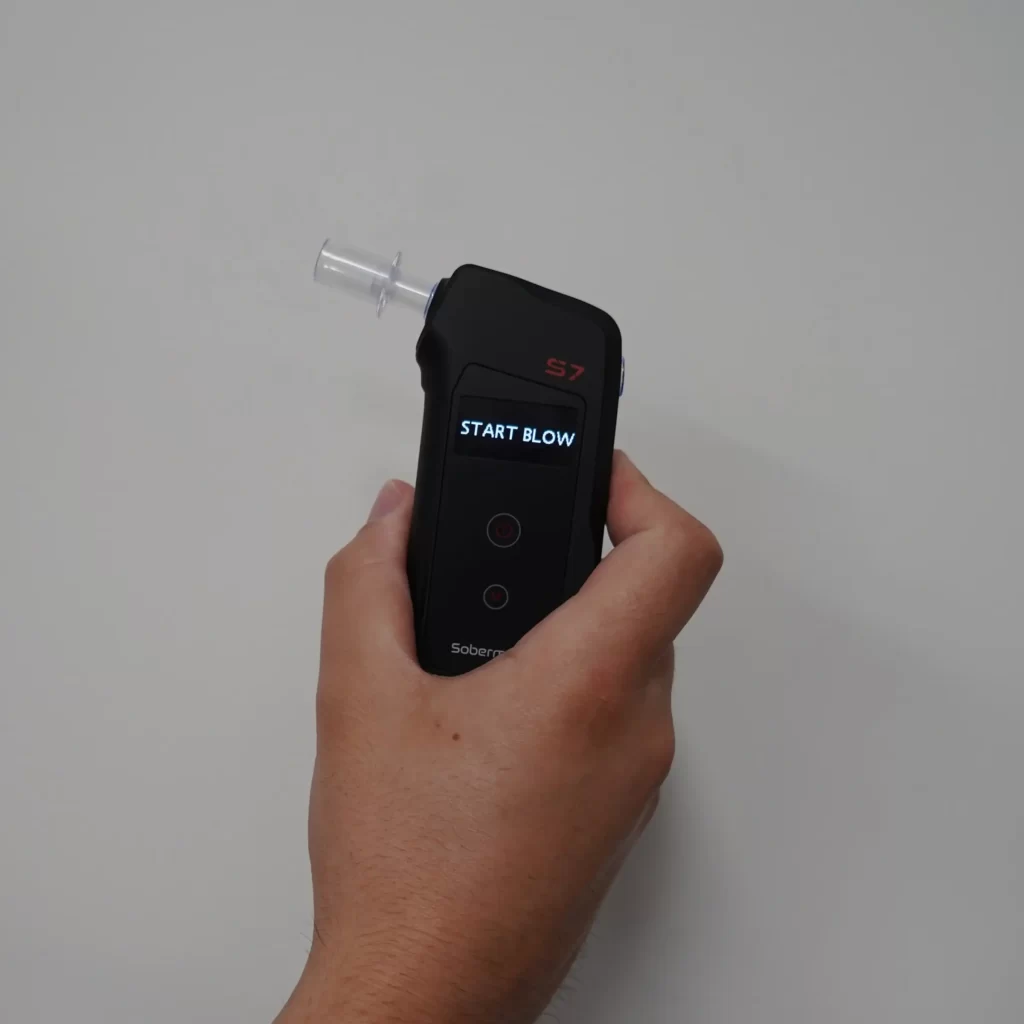
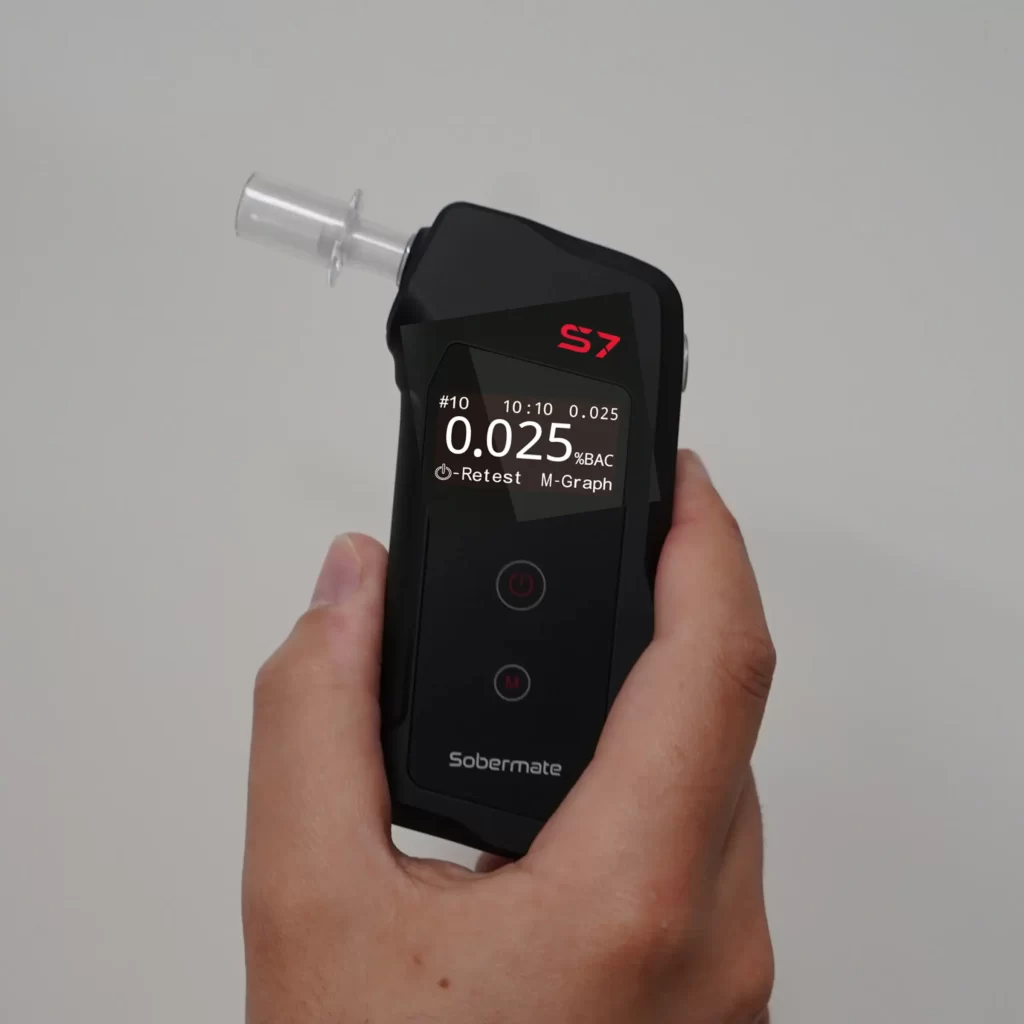
Wait
Turn on the device and let it warm up for a few seconds while it prepares the sensor.
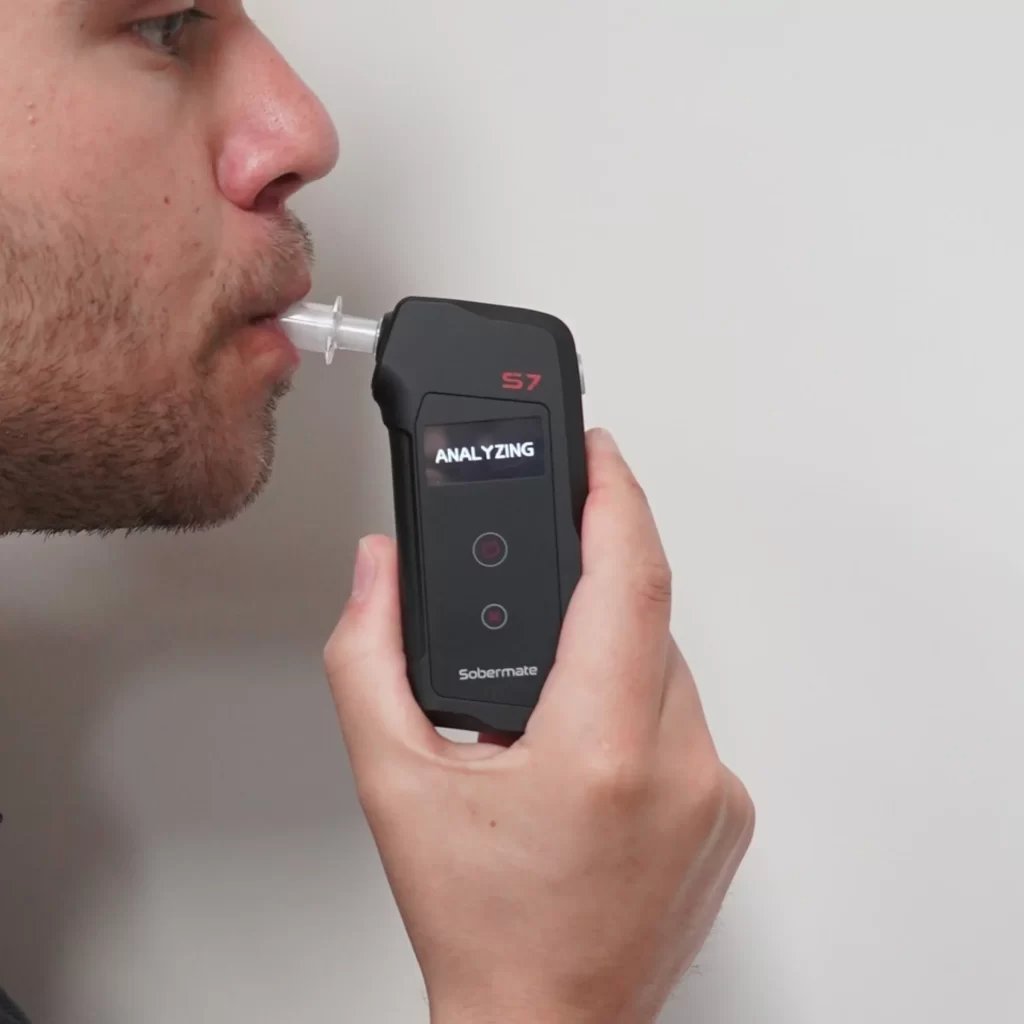
Blow
Blow steadily into the mouthpiece until you hear the beep signaling the test is complete.
Read
Check your BAC result displayed clearly on screen, along with the READY or WARN indicator.
Understanding Your BAC
What is BAC (Blood Alcohol Content)?
BAC stands for Blood Alcohol Content and is the industry terminology describing the percentage of alcohol present in an individual’s bloodstream at a particular point in time. It is the key variable that determines whether law enforcement can legally arrest a driver for impairment.
However, many people overlook its importance for doctors and health practitioners to properly assess their patients. One major example is developing strategies to treat and prevent alcohol abuse.
Standardised BAC tests enable law enforcement and medical professionals – as well as concerned individuals – to objectively estimate the level of a person’s alcohol intoxication. Put simply, the higher the BAC number, the greater the impairment.
Factors that affect BAC:
- Amount of alcohol consumed
- Time elapsed
- Food intake
- Body composition
- Individual metabolism
A breathalyser reading is a guide, not permission to drive. Many factors affect BAC accuracy, and the only safe choice after drinking is not to drive. If in doubt, don’t get behind the wheel.
Our Reseller
RESELLERS OF SOBERMATE PRODUCTS
Online Reseller




Buy from Shop